





Office Industry Building and Mall Dismantling Services

Office Scrap Buyers

Asset Decommissioning Process for Businesses in India

The asset decommissioning process is a structured, compliance-driven approach to retiring, dismantling, and disposing of obsolete or end-of-life assets in a secure and legally approved manner. For corporates, factories, MNCs, institutions, and enterprises in India, proper decommissioning is essential to ensure data security, regulatory compliance, environmental responsibility, and financial transparency. This page explains how asset decommissioning works, when it is required, and why professional execution is critical.

What Is Asset Decommissioning?

Asset decommissioning is the formal process of removing assets from active use and managing their dismantling, disposal, or recycling through authorized and traceable channels. It applies to physical infrastructure, IT assets, machinery, electrical systems, and commercial fittings.

  • Planned Asset Retirement: Ensures assets are removed from service without operational or compliance risks.
  • Secure Dismantling & Removal: Controlled dismantling using trained manpower and safety procedures.
  • Regulatory Alignment: Disposal in accordance with CPCB, SPCB, E-Waste Rules, and hazardous waste norms.
  • Audit-Ready Closure: Proper documentation to support financial, statutory, and ESG audits.

Assets Commonly Covered Under Decommissioning

Asset decommissioning applies across industries and asset classes, especially where regulatory oversight or data risk is involved.

  • IT & Data Assets: Computers, laptops, servers, storage devices, networking equipment, and UPS systems.
  • Industrial Machinery: CNC machines, production equipment, generators, boilers, and fabrication units.
  • Electrical & Infrastructure Assets: Electrical panels, transformers, HVAC systems, cabling, and control systems.
  • Office & Commercial Assets: Furniture, workstations, partitions, fixtures, and interior fittings.

Step-by-Step Asset Decommissioning Process

  • Step 1 – Asset Identification & Planning: Asset tagging, inventory verification, and decommissioning scope definition.
  • Step 2 – Risk Assessment & Compliance Review: Evaluation of data risk, safety hazards, and regulatory requirements.
  • Step 3 – Controlled Dismantling & Removal: Safe dismantling using approved tools, PPE, and trained technicians.
  • Step 4 – Recycling, Disposal & Documentation: Authorized recycling, scrap recovery, and issuance of disposal certificates.

Why Proper Asset Decommissioning Is Critical

Improper or informal asset disposal exposes organizations to data breaches, regulatory penalties, environmental violations, and audit failures. A structured decommissioning process eliminates these risks.

  • Data Security Protection: Prevents unauthorized data recovery from retired IT assets.
  • Regulatory Compliance: Aligns with CPCB, SPCB, E-Waste Management Rules, and safety regulations.
  • ESG & Sustainability Support: Enables responsible resource recovery and environmental reporting.
  • Financial Transparency: Ensures correct asset write-offs and scrap valuation.
  • Enterprise Trust: Preferred approach for MNCs, banks, factories, IT companies, and institutions.

Plan a Secure Asset Decommissioning Project

Phone: +91-9321743217

Website:

Service Coverage: Pan-India

If your organization is planning asset retirement, upgrades, or facility shutdowns, our professional asset decommissioning services ensure secure handling, legal disposal, and complete documentation. Decommission assets with confidence, compliance, and control.

Our Scrap Products


Office machinery buyer inspecting used office equipment
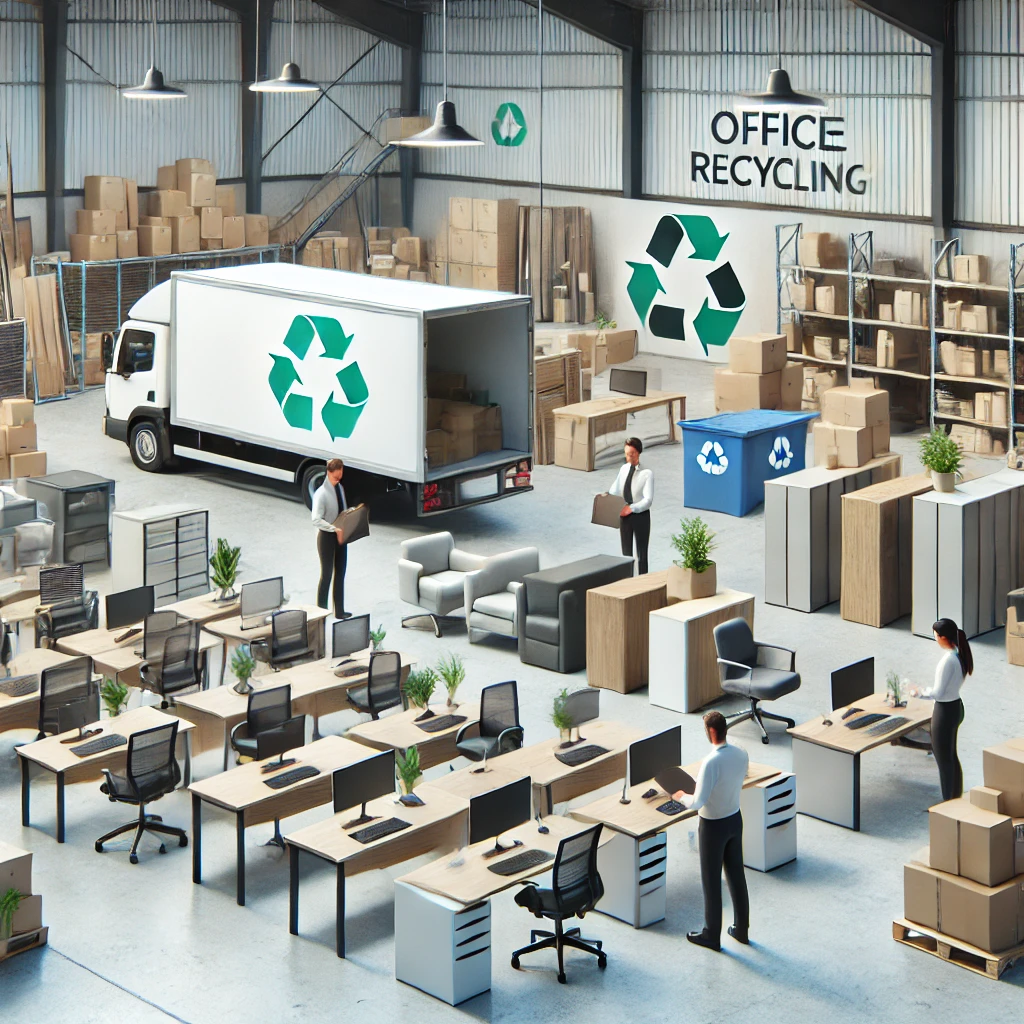
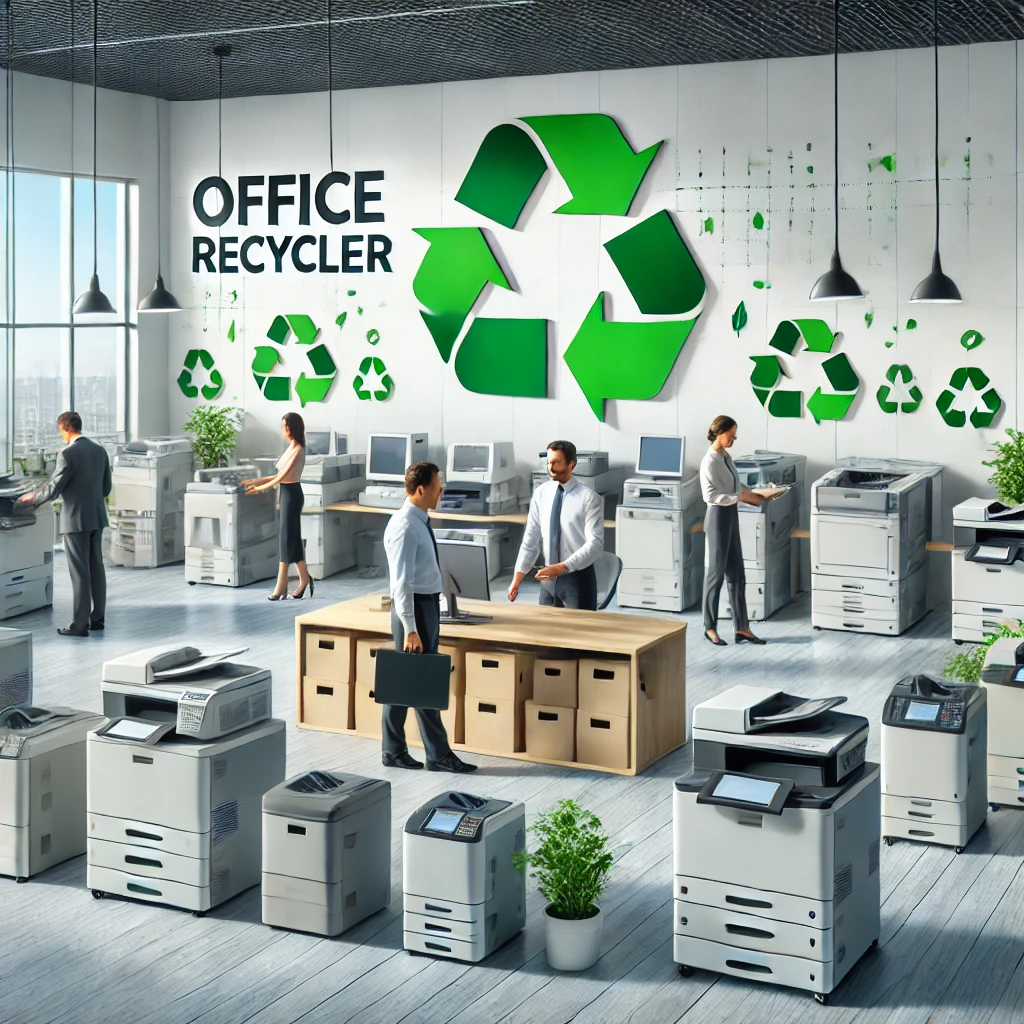
Professional office disposal buyers handling office furniture and equipment for efficient and eco-friendly recycling and removal services.
Office furniture disposal services

Our organization's goal is a Clean and Green India

Office scrap buyers contribute to a pollution-free India by ensuring proper recycling of scrap materials, minimizing environmental impact and promoting sustainable practices.

Office Scrap Buyers Services

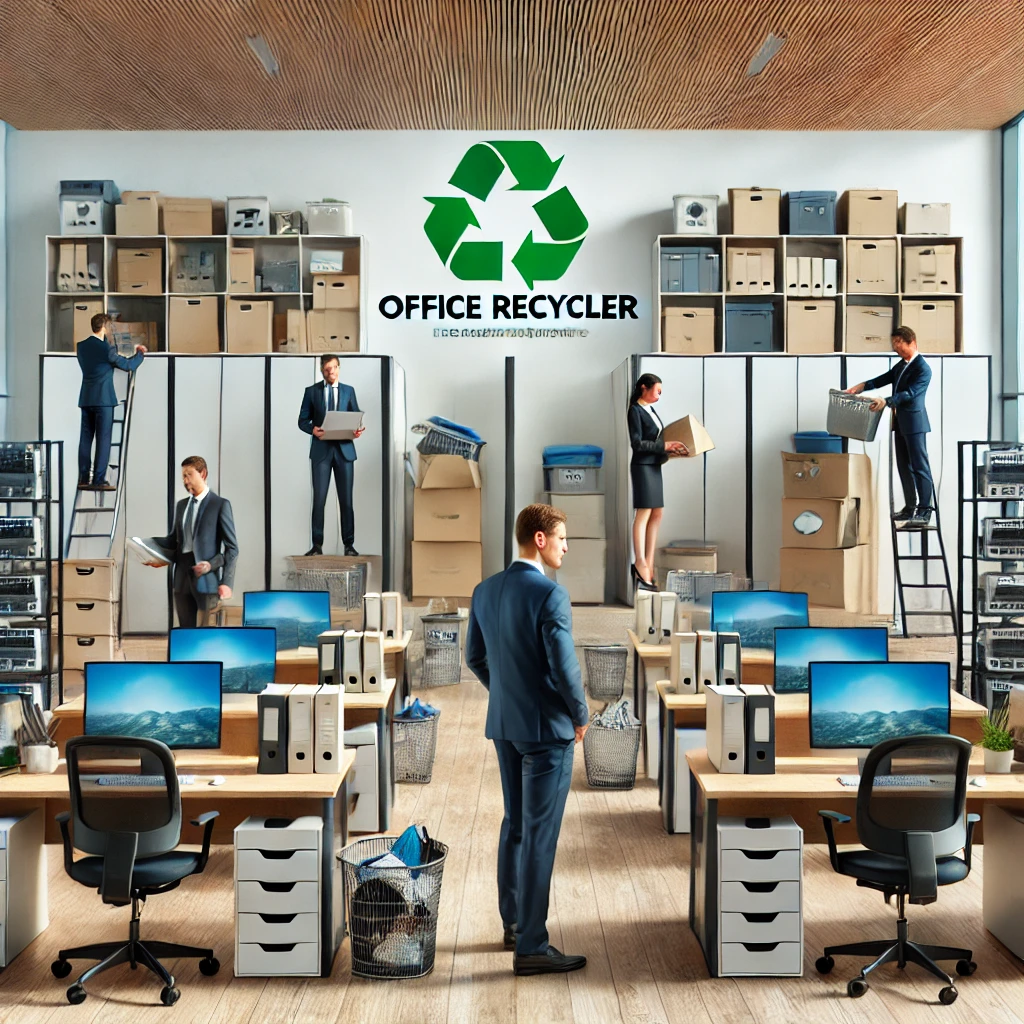
Office scrap buyers specialize in dismantling offices, performing on-site cleaning, and purchasing all types of scrap, including furniture, electronics, and metal. They offer eco-friendly disposal solutions and ensure competitive prices for all scrap materials, making office clearance hassle-free and sustainable.

About our company

We specialize in office bare-shell work.Trust us for efficient, reliable, and cost-effective solutions for all your office scrap and asset needs.Office Scrap Buyers: Your trusted partner for efficient office dismantling and scrap disposal. We offer competitive pricing, expert services, and a hassle-free experience.

You Can Contact Us On 9321743217

Contact us today, and our team will visit your office to assess your scrap materials. We'll provide a detailed evaluation and offer the best quote possible. Our goal is to make the scrap disposal process smooth and cost-effective for you. Trust us to deliver reliable service and competitive pricing. Reach out now to get started!
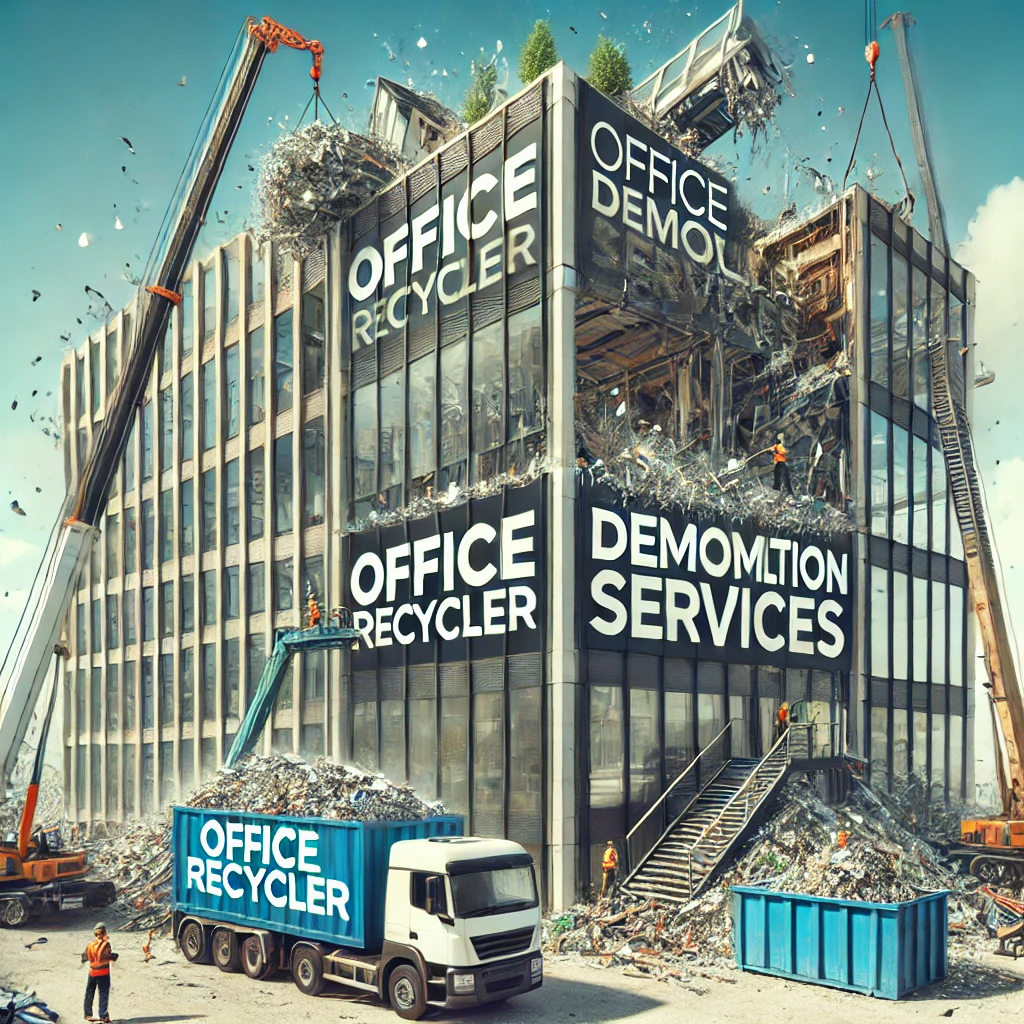
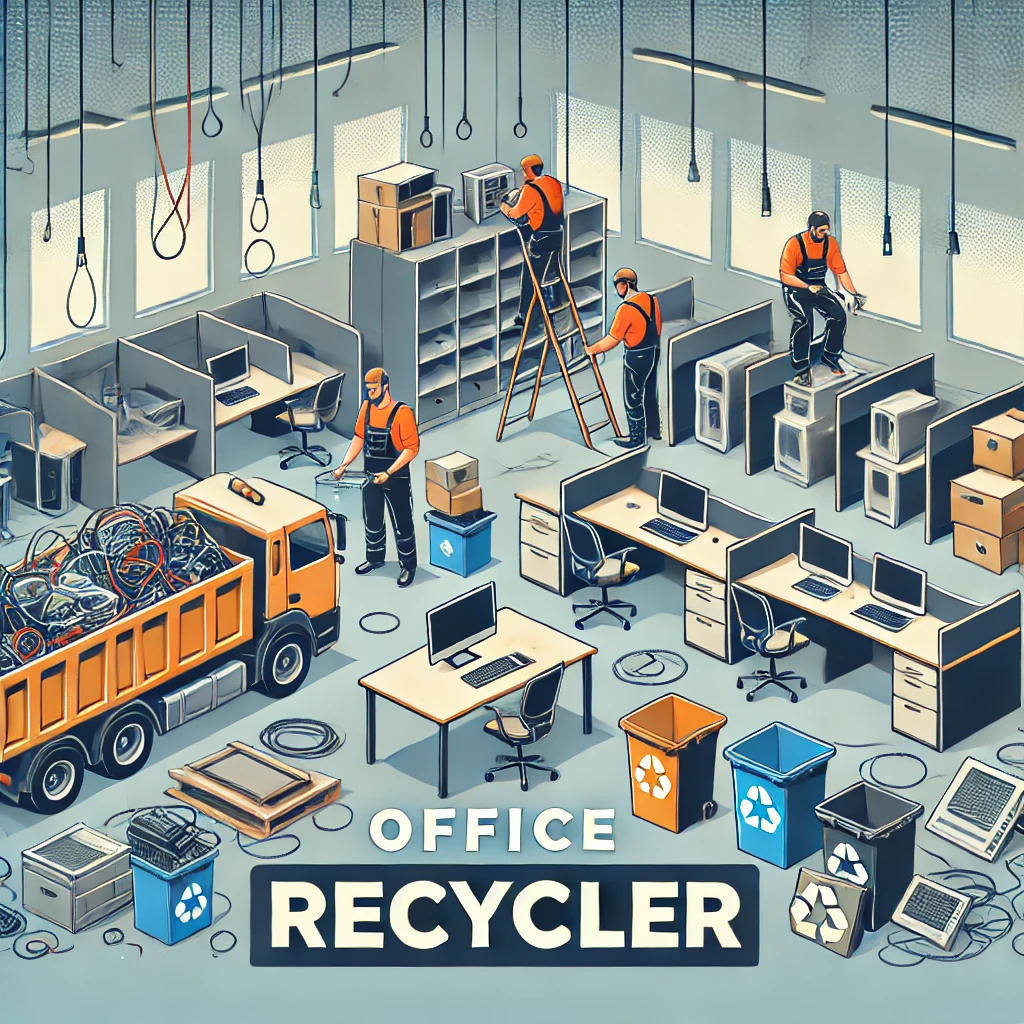
want to demolish your office call (office recycler) for office demolition service get best office dismantling services by (office recycler)
get best rate of your e-waste to sell them by (office recycler) Office furniture buyers inspecting used office desks and chairs
Professional office disposal buyers handling office furniture and equipment for efficient and eco-friendly recycling and removal services. Office machinery buyer inspecting used office equipment

Office Scrap Buyers Office Dismantling Services Office Demolition Services
Office scrap dealers Office recycling services Corporate scrap buyers
Office junk collectors Business scrap buyers Corporate waste recyclers
Office equipment buyers Commercial scrap buyers Office asset disposal services
Office electronics recyclers Office furniture recycling Office junk removers
Scrap removal services for offices Office metal scrap buyers Office waste recycling companies
Office dismantling buyers Office scrap disposal Commercial e-waste buyers
Office asset recycling Business junk recyclers Office materials recyclers
Office junk pick-up services Office waste disposal buyers Business waste recyclers
Office furniture buyers Corporate asset disposal services Office inventory recycling
Office junk buyers Corporate scrap removers Office disposal services


Join us for a Green India!

Join Us in Building a Cleaner, Greener India!


FAQ | Asset Lifecycle Management

Asset Decommissioning Process – Compliance & Control FAQs

Asset decommissioning is the **formal and controlled removal of assets from active use** once they reach end-of-life, become obsolete, or are replaced. It includes **inventory verification, risk assessment, data sanitization (if applicable), dismantling, disposal, and compliance documentation**.

Assets requiring formal decommissioning include **IT equipment, servers, data center hardware, machinery, electrical panels, HVAC systems, production equipment, office infrastructure, and regulated assets** that involve safety, data, or environmental risks.

A structured process prevents **data leakage, safety incidents, regulatory violations, and financial loss**. It ensures assets are retired in a **traceable, auditable, and environmentally compliant manner**, protecting the organization during audits and inspections.

For data-bearing assets, the process includes **certified data wiping or physical destruction**, asset tagging, and issuance of **data destruction certificates**. This is essential for compliance with **internal IT policies, ISO standards, and data protection requirements**.

Documentation typically includes **asset decommissioning reports, disposal approvals, recycling certificates, e-waste handover records, data destruction certificates, and inventory reconciliation reports**, ensuring full audit readiness.

Decommissioning is initiated during **technology upgrades, plant modernization, office relocations, shutdowns, mergers, or regulatory-driven asset retirement**, ensuring assets are removed responsibly without operational or compliance risks.