











Office Industry Building and Mall Dismantling Services

Office Scrap Buyers

Demolition vs Dismantling: Key Differences and Best Practices


Understanding the difference between demolition and dismantling is critical for businesses planning office, factory, or commercial property clearance. While both involve the removal of structures or equipment, they differ in purpose, technique, compliance requirements, and environmental impact. This guide explains when to choose demolition or dismantling, the associated processes, and how to ensure legally compliant, safe, and cost-effective execution.

Demolition vs Dismantling: Understanding the Basics

Both demolition and dismantling are methods of taking down structures or equipment, but they differ in approach and outcome.

  • Demolition: Involves the controlled destruction of a structure or part of a facility. Typically faster and used for complete removal where reuse of materials is minimal. Often employs heavy machinery, explosives (where authorized), and planned collapse techniques.
  • Dismantling: Involves the careful removal of parts, machinery, or interiors so that materials can be recovered, reused, or recycled. Requires skilled labor, stepwise execution, and careful handling of sensitive equipment.

Applications and Industries for Demolition vs Dismantling

Choosing between demolition and dismantling depends on asset type, industry, regulatory obligations, and desired outcomes.

  • Corporate Offices: Dismantling is preferred for partitions, furniture, HVAC systems, and IT assets to maximize reuse or resale.
  • Factories & Industrial Plants: Heavy machinery and steel structures often require dismantling to recover equipment or scrap metals; demolition is used for obsolete buildings or sheds.
  • Warehouses & Commercial Buildings: Demolition is suitable for entire building removal, while dismantling helps recover doors, panels, electrical fittings, and metal frames.
  • Retail & Hotels: Dismantling is ideal for interior refurbishments to avoid damaging reusable fixtures.

Step-by-Step Approach: Demolition vs Dismantling

  • Step 1 – Site Assessment: Evaluate structures, machinery, and interiors to determine whether demolition or dismantling is appropriate.
  • Step 2 – Planning & Compliance Check: Assess safety, CPCB/SPCB compliance, hazardous materials, and required permits.
  • Step 3 – Execution:
    • Demolition: Controlled destruction with machinery, cranes, or authorized explosives.
    • Dismantling: Stepwise removal of components, careful handling, and segregation of reusable materials.
  • Step 4 – Waste Management & Documentation: Segregation of scrap, proper recycling, and issuance of disposal certificates for legal compliance.

Benefits of Understanding Demolition vs Dismantling

Selecting the right method ensures safety, regulatory compliance, cost efficiency, and maximum asset recovery.

  • Safety Assurance: Minimizes accidents and property damage with expert planning.
  • Regulatory Compliance: Aligns with CPCB, SPCB, E-Waste Rules, and building codes.
  • Maximized Material Recovery: Dismantling allows reuse, resale, or recycling of assets.
  • Cost Efficiency: Reduces unnecessary disposal costs by choosing the right approach.
  • Trusted Expertise: Preferred by MNCs, corporate offices, industrial plants, and commercial property owners.

Consult Our Demolition & Dismantling Experts

Phone: +91-9321743217

Website:

Service Coverage: Pan-India

Confused about whether to demolish or dismantle your property or assets? Our experts provide risk-free, compliant, and cost-effective solutions, helping businesses make the right choice and achieve maximum safety, recovery, and regulatory compliance.

Our Scrap Products


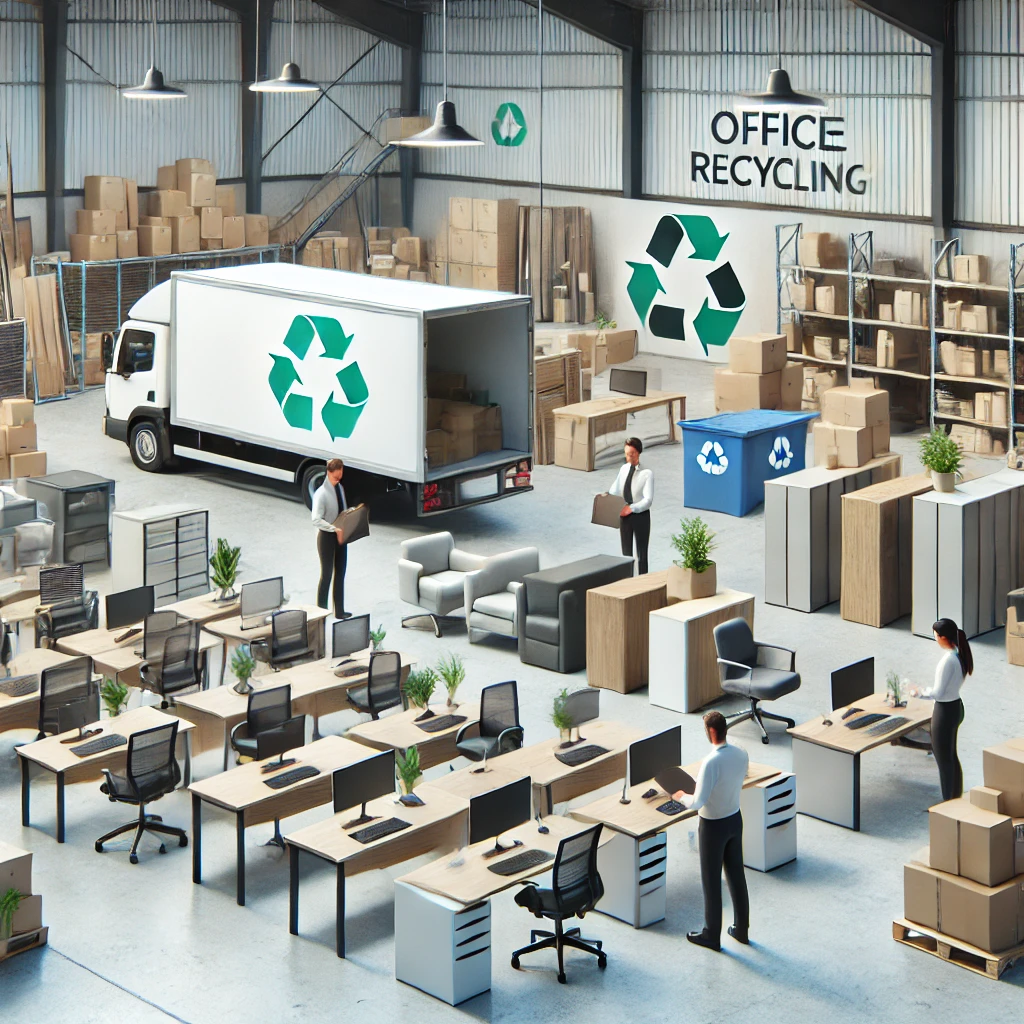
Office machinery buyer inspecting used office equipment
Professional office disposal buyers handling office furniture and equipment for efficient and eco-friendly recycling and removal services.
Office furniture disposal services

Our organization's goal is a Clean and Green India

Office scrap buyers contribute to a pollution-free India by ensuring proper recycling of scrap materials, minimizing environmental impact and promoting sustainable practices.

Office Scrap Buyers Services

Office scrap buyers specialize in dismantling offices, performing on-site cleaning, and purchasing all types of scrap, including furniture, electronics, and metal. They offer eco-friendly disposal solutions and ensure competitive prices for all scrap materials, making office clearance hassle-free and sustainable.

About our company

We specialize in office bare-shell work.Trust us for efficient, reliable, and cost-effective solutions for all your office scrap and asset needs.Office Scrap Buyers: Your trusted partner for efficient office dismantling and scrap disposal. We offer competitive pricing, expert services, and a hassle-free experience.

You Can Contact Us On 9321743217

Contact us today, and our team will visit your office to assess your scrap materials. We'll provide a detailed evaluation and offer the best quote possible. Our goal is to make the scrap disposal process smooth and cost-effective for you. Trust us to deliver reliable service and competitive pricing. Reach out now to get started!
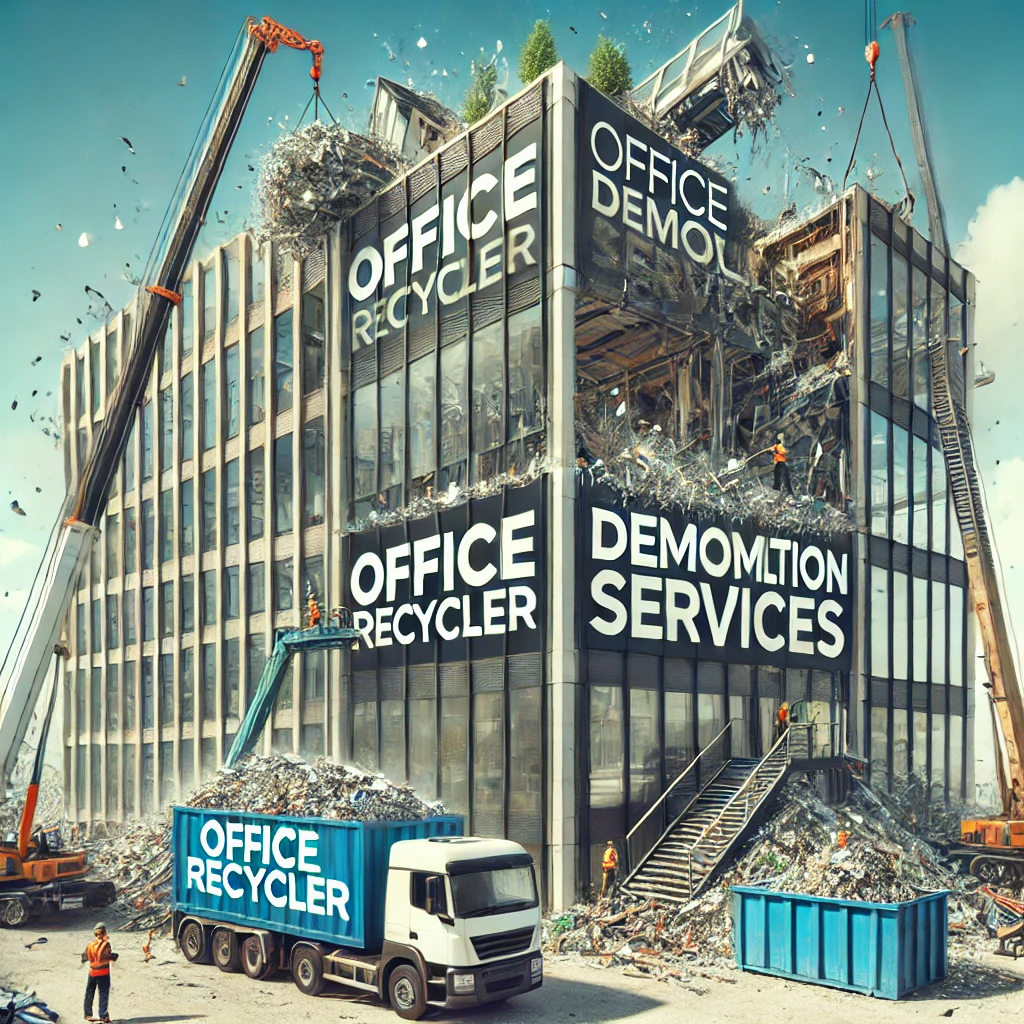
want to demolish your office call (office recycler) for office demolition service get best office dismantling services by (office recycler)
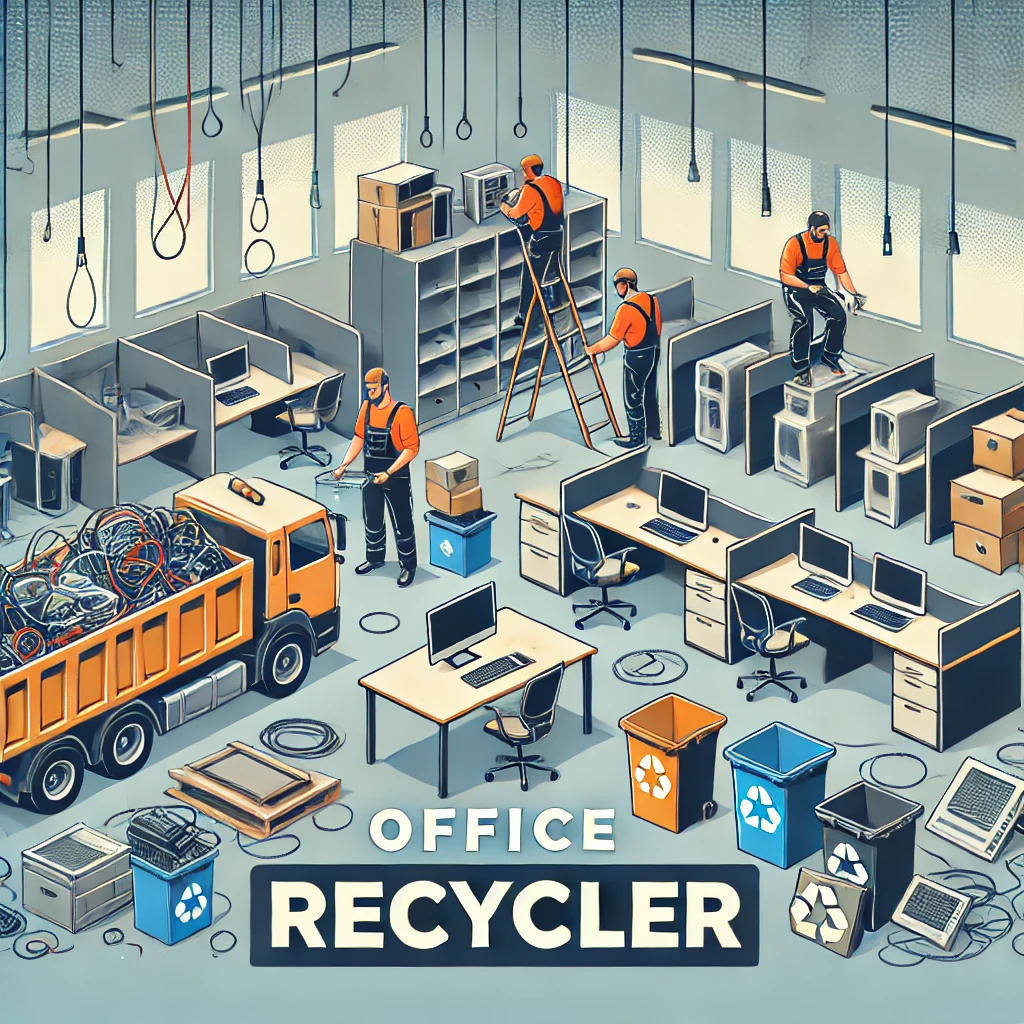
get best rate of your e-waste to sell them by (office recycler) Office furniture buyers inspecting used office desks and chairs
Professional office disposal buyers handling office furniture and equipment for efficient and eco-friendly recycling and removal services. Office machinery buyer inspecting used office equipment

Office Scrap Buyers Office Dismantling Services Office Demolition Services
Office scrap dealers Office recycling services Corporate scrap buyers
Office junk collectors Business scrap buyers Corporate waste recyclers
Office equipment buyers Commercial scrap buyers Office asset disposal services
Office electronics recyclers Office furniture recycling Office junk removers
Scrap removal services for offices Office metal scrap buyers Office waste recycling companies
Office dismantling buyers Office scrap disposal Commercial e-waste buyers
Office asset recycling Business junk recyclers Office materials recyclers
Office junk pick-up services Office waste disposal buyers Business waste recyclers
Office furniture buyers Corporate asset disposal services Office inventory recycling
Office junk buyers Corporate scrap removers Office disposal services


Join us for a Green India!

Join Us in Building a Cleaner, Greener India!


FAQ | Dismantling & Demolition

Demolition vs Dismantling Explained – Industrial & Compliance FAQs

Demolition is the **controlled destruction of structures or buildings**, often using heavy machinery or explosives, to clear a site for redevelopment. Dismantling, on the other hand, is a **careful, step-by-step removal of structures, machinery, or interiors** for reuse, recycling, or resale. The key difference lies in **intent, precision, and material recovery**.

Demolition is preferred when **structures are unsafe, obsolete, or cannot be reused**, and **rapid site clearance** is needed. Dismantling is ideal for **salvaging materials, machinery, or interiors**, minimizing environmental impact and supporting **zero-landfill or recycling goals**.

Dismantling allows **material recovery, reuse, and recycling**, significantly reducing landfill waste. Organizations can **document recycled scrap, issue green recycling certificates, and report ESG compliance**, aligning with circular economy and sustainability policies.

Yes. Both activities must comply with **CPCB/SPCB environmental guidelines, construction and demolition waste rules, safety regulations, and local municipal permissions**. Dismantling also requires **authorized recycling and waste transfer documentation** for audit readiness.

Improper execution can cause **structural hazards, environmental pollution, legal penalties, and financial loss**. Engaging professional, authorized contractors ensures **safety, regulatory compliance, accurate scrap recovery, and documented disposal**.

Yes. Even in demolition, **metals, machinery, furniture, cables, and concrete rubble** can be **segregated and sent for recycling**. Controlled partial dismantling before demolition is a common strategy to **maximize material recovery**.