











Office Industry Building and Mall Dismantling Services

Office Scrap Buyers

Factory Closure Scrap Clearance Guide

Factory closure is a high-risk, high-complexity phase where improper scrap handling can lead to financial loss, legal exposure, and safety incidents. This Factory Closure Scrap Clearance Guide explains how industrial scrap should be identified, segregated, dismantled, valued, and disposed of during permanent or long-term factory shutdowns in India. Designed for manufacturing units, industrial plants, SEZ units, and corporate owners, this guide focuses on compliance, safety, documentation, and maximum asset recovery.

Scope of Scrap Clearance During Factory Closure

Factory closure scrap clearance is not limited to waste removal. It is a structured, end-of-life asset management activity involving heavy equipment, hazardous materials, regulated waste streams, and statutory reporting.

  • Plant & Machinery Decommissioning: Safe shutdown, dismantling, and removal of production machinery, utilities, and auxiliary systems.
  • Structural & Fabrication Scrap Removal: Steel sheds, platforms, pipelines, racks, conveyors, and fabricated structures.
  • Electrical & Utility Asset Clearance: Panels, transformers, generators, cabling, lighting, and power distribution systems.
  • Regulated & Hazardous Scrap Handling: Oils, chemicals, contaminated materials, batteries, and controlled waste streams.

Scrap Categories Generated in Factory Closures

Factory shutdowns generate diverse scrap types, each with different valuation logic, safety risks, and regulatory obligations.

  • Machinery & Heavy Metal Scrap: CNC machines, presses, boilers, reactors, turbines, and production lines.
  • Ferrous & Non-Ferrous Metals: Iron, steel, aluminum, copper, brass, and alloy components.
  • Electrical & Electronic Scrap: PLCs, control panels, motors, drives, cables, and industrial electronics.
  • Hazardous & Contaminated Scrap: Oil-soaked materials, chemical containers, filters, insulation, and residues.

Step-by-Step Factory Closure Scrap Clearance Process

  • Step 1 – Closure Planning & Asset Mapping: Site survey, asset inventory, risk assessment, and clearance sequencing.
  • Step 2 – Safe Decommissioning & Isolation: Power shutdown, fluid draining, lock-out/tag-out, and safety preparation.
  • Step 3 – Dismantling, Segregation & Loading: Controlled dismantling using trained manpower, lifting tools, and supervision.
  • Step 4 – Authorized Recycling & Compliance Reporting: Disposal through CPCB/SPCB-authorized recyclers with full documentation.

Why Factory Closure Scrap Requires Professional Handling

Improper scrap clearance during factory closure can result in environmental penalties, workplace accidents, and audit failures. Professional execution mitigates these risks.

  • Worker & Site Safety: Structured dismantling reduces accident risk during high-hazard closure phases.
  • Regulatory Compliance: Alignment with CPCB, SPCB, hazardous waste rules, and ESG disclosures.
  • Asset Value Protection: Proper segregation prevents valuable scrap from being treated as waste.
  • Audit-Ready Documentation: Weight slips, recycler certificates, and disposal records maintained.
  • Clean & Clear Site Handover: Land or facility returned in a safe, compliant, and inspection-ready condition.

Plan a Compliant Factory Closure Scrap Clearance

Phone: +91-9321743217

Website:

Service Coverage: PAN India

Closing a factory? Get a structured scrap clearance plan covering safety, compliance, and asset recovery. Avoid regulatory issues, control risk, and ensure a clean, documented closure process.

Our Scrap Products


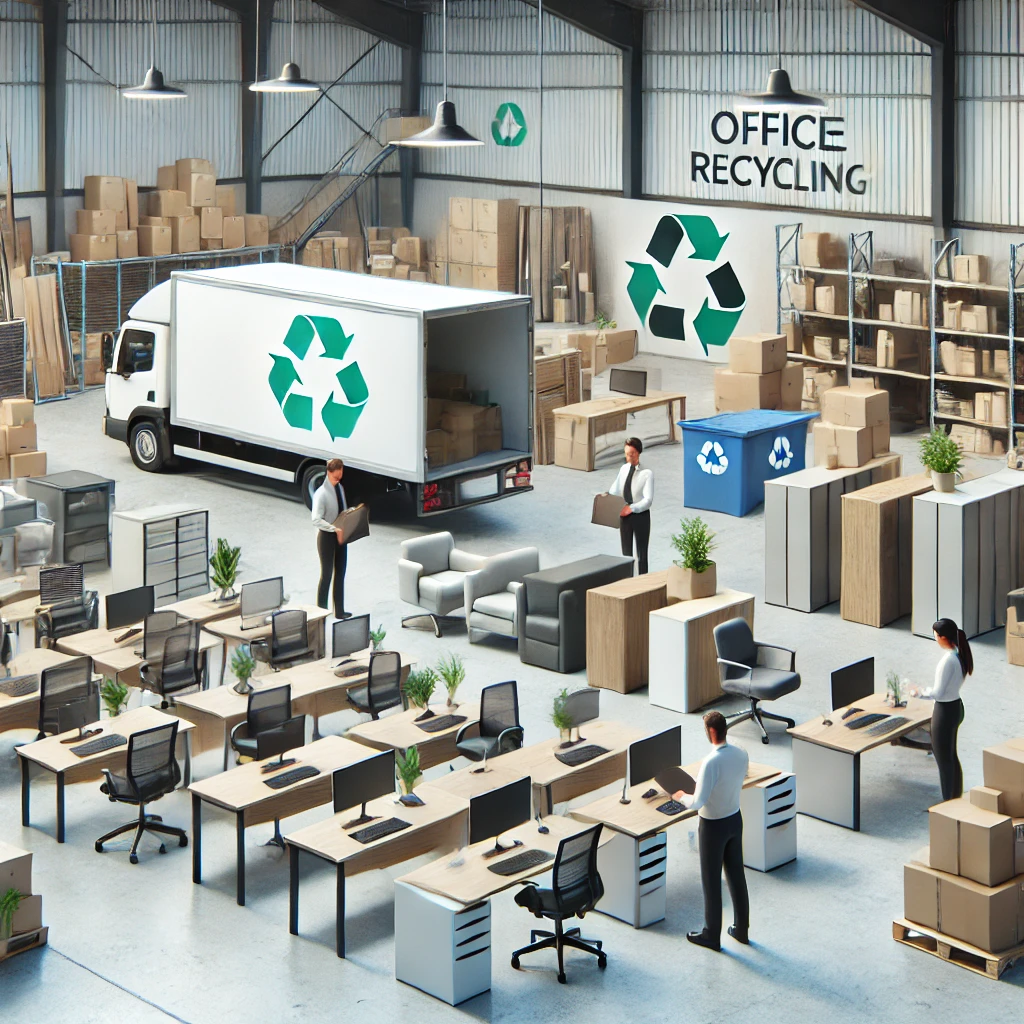
Office machinery buyer inspecting used office equipment
Professional office disposal buyers handling office furniture and equipment for efficient and eco-friendly recycling and removal services.
Office furniture disposal services

Our organization's goal is a Clean and Green India

Office scrap buyers contribute to a pollution-free India by ensuring proper recycling of scrap materials, minimizing environmental impact and promoting sustainable practices.

Office Scrap Buyers Services

Office scrap buyers specialize in dismantling offices, performing on-site cleaning, and purchasing all types of scrap, including furniture, electronics, and metal. They offer eco-friendly disposal solutions and ensure competitive prices for all scrap materials, making office clearance hassle-free and sustainable.

About our company

We specialize in office bare-shell work.Trust us for efficient, reliable, and cost-effective solutions for all your office scrap and asset needs.Office Scrap Buyers: Your trusted partner for efficient office dismantling and scrap disposal. We offer competitive pricing, expert services, and a hassle-free experience.

You Can Contact Us On 9321743217

Contact us today, and our team will visit your office to assess your scrap materials. We'll provide a detailed evaluation and offer the best quote possible. Our goal is to make the scrap disposal process smooth and cost-effective for you. Trust us to deliver reliable service and competitive pricing. Reach out now to get started!
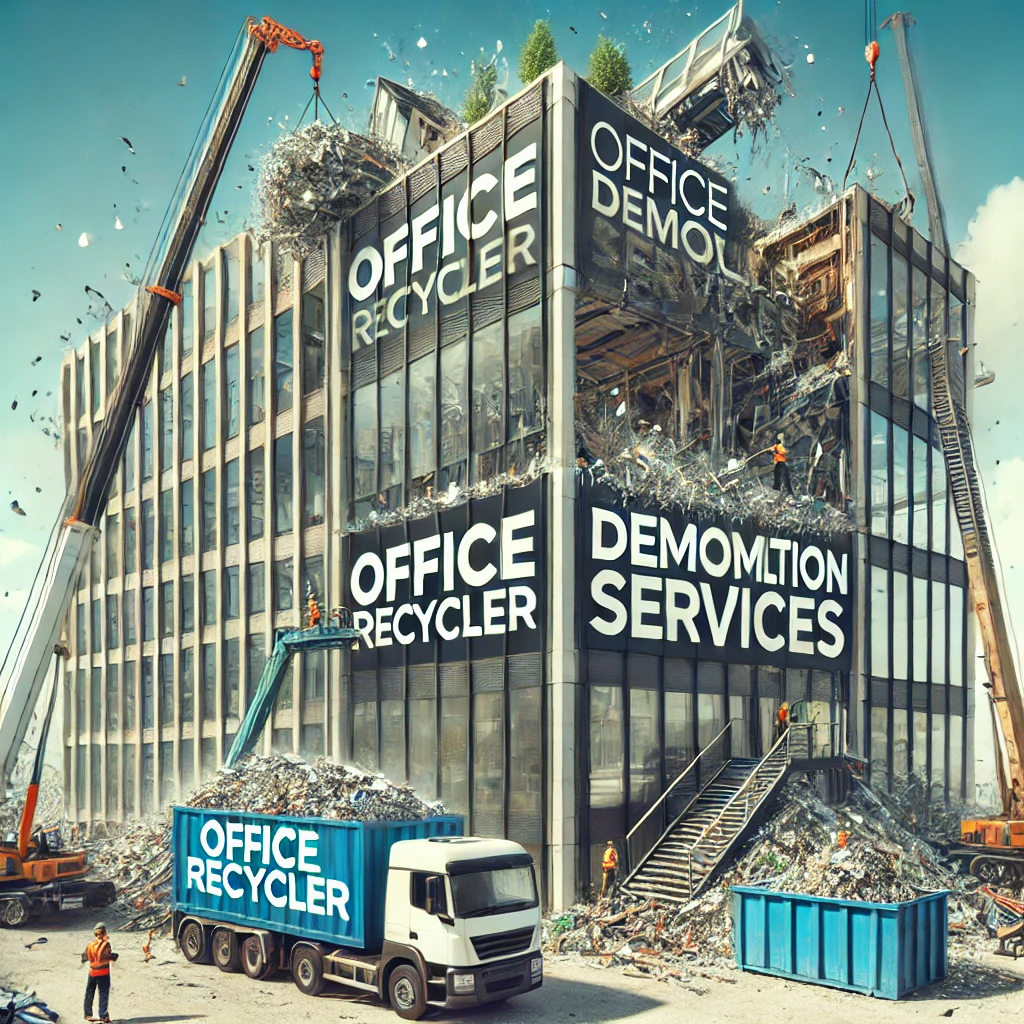
want to demolish your office call (office recycler) for office demolition service get best office dismantling services by (office recycler)
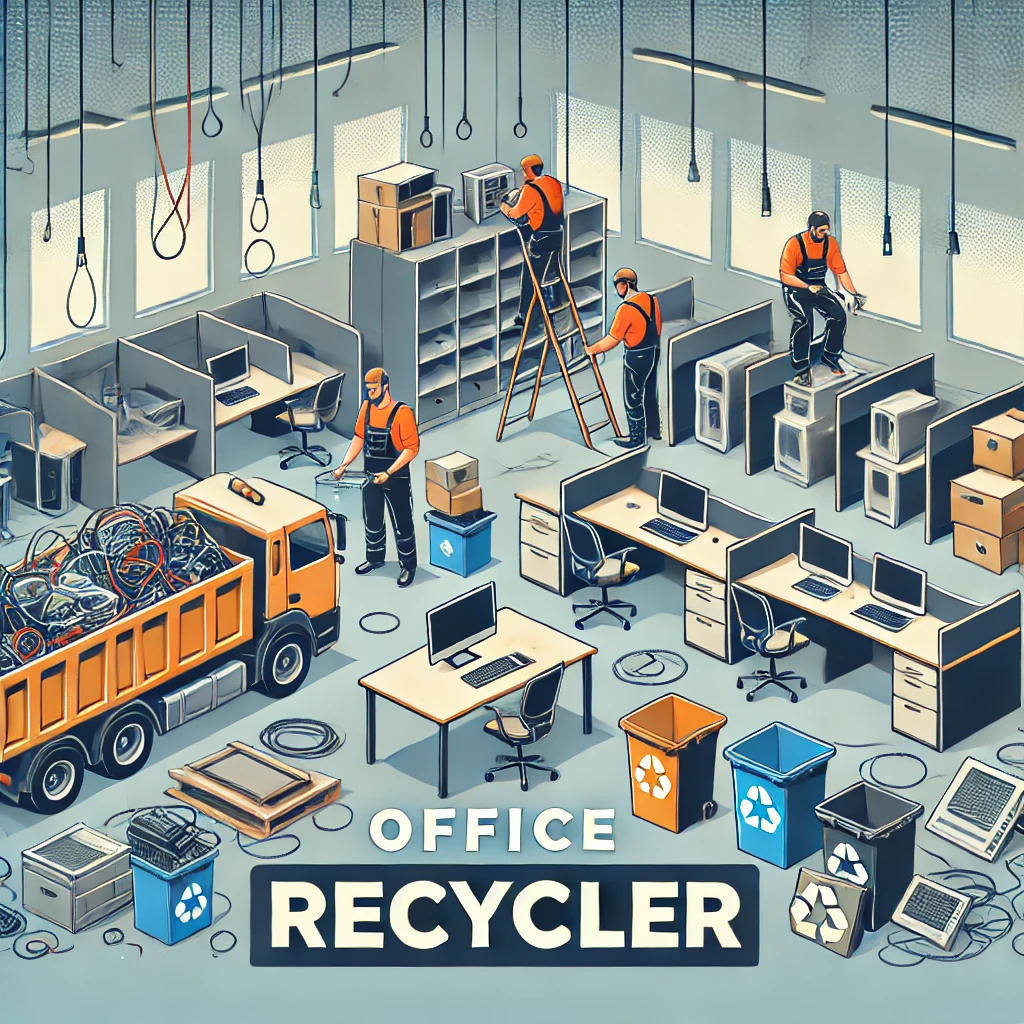
get best rate of your e-waste to sell them by (office recycler) Office furniture buyers inspecting used office desks and chairs
Professional office disposal buyers handling office furniture and equipment for efficient and eco-friendly recycling and removal services. Office machinery buyer inspecting used office equipment

Office Scrap Buyers Office Dismantling Services Office Demolition Services
Office scrap dealers Office recycling services Corporate scrap buyers
Office junk collectors Business scrap buyers Corporate waste recyclers
Office equipment buyers Commercial scrap buyers Office asset disposal services
Office electronics recyclers Office furniture recycling Office junk removers
Scrap removal services for offices Office metal scrap buyers Office waste recycling companies
Office dismantling buyers Office scrap disposal Commercial e-waste buyers
Office asset recycling Business junk recyclers Office materials recyclers
Office junk pick-up services Office waste disposal buyers Business waste recyclers
Office furniture buyers Corporate asset disposal services Office inventory recycling
Office junk buyers Corporate scrap removers Office disposal services


Join us for a Green India!

Join Us in Building a Cleaner, Greener India!


FAQ | Factory Closure

Factory Closure Scrap Clearance – Compliance, Safety & Asset Recovery FAQs

Factory closure scrap clearance involves the systematic dismantling, segregation, valuation, and removal of plant assets and scrap materials after production operations cease. This includes machinery, structural steel, electrical systems, pipelines, utilities, and accumulated industrial scrap, all handled through authorized and compliant disposal channels.

Factory closures involve high-value assets, hazardous materials, and regulatory scrutiny. Professional scrap clearance ensures worker safety, environmental compliance, accurate asset accounting, and audit-ready documentation. Informal handling can lead to legal exposure, environmental penalties, and loss of recoverable asset value.

Factory closures generate diverse scrap streams including machinery scrap, structural steel, iron and copper, electrical panels, transformers, boilers, pipelines, tanks, HVAC systems, cable scrap, e-waste, and hazardous residues. Each category requires material-specific handling and disposal protocols.

Safety is managed through site risk assessments, isolation of utilities, use of PPE, controlled dismantling methods, and trained manpower. Environmental risks are addressed by segregating hazardous waste, preventing spills, and routing materials to CPCB/SPCB-authorized recyclers.

Scrap disposal during factory closure must comply with CPCB and State Pollution Control Board norms, Hazardous Waste Rules, E-Waste Management Rules, and environmental closure conditions. Authorized service providers issue recycling certificates, waste transfer records, and compliance documentation.

Organized clearance provides traceable asset records, recycling data, and environmental documentation. This supports statutory audits, land handover requirements, ESG disclosures, and corporate governance obligations while demonstrating responsible industrial shutdown practices.