








Office Industry Building and Mall Dismantling Services

Office Scrap Buyers

Hazardous Waste Handling Procedures

Hazardous waste handling is one of the most regulated and risk-sensitive aspects of waste management in India. Improper storage, transportation, or disposal of hazardous materials can result in environmental contamination, worker injuries, regulatory penalties, business shutdowns, and long-term legal liability.

These procedures are designed for corporate offices, manufacturing units, chemical industries, hospitals, data centers, infrastructure projects, warehouses, and industrial facilities that generate hazardous waste as part of daily operations. Our approach focuses on safety, traceability, legal compliance, and environmental responsibility — not shortcuts.

What Is Hazardous Waste?

Hazardous waste refers to waste materials that pose a risk to human health or the environment due to their chemical, physical, or biological properties.

  • Flammable, corrosive, reactive, or toxic substances
  • Waste containing heavy metals such as lead, mercury, cadmium
  • Chemical residues, solvents, acids, and alkalis
  • Contaminated oils, sludge, and industrial by-products
  • Batteries, e-waste components, and chemical containers

Regulatory Framework for Hazardous Waste in India

  • Governed under the Hazardous and Other Wastes (Management & Transboundary Movement) Rules
  • Enforced by CPCB and respective State Pollution Control Boards (SPCBs)
  • Applicable to waste generators, transporters, recyclers, and disposal facilities
  • Mandatory authorization, record-keeping, and reporting

Hazardous Waste Handling Procedures – Step by Step

  • Step 1 – Waste Identification & Classification: Each waste stream is identified and classified based on its hazardous characteristics, composition, and regulatory category.
  • Step 2 – Segregation at Source: Hazardous waste is segregated from non-hazardous waste to prevent cross-contamination and accidental exposure.
  • Step 3 – Safe Packaging & Labeling: Waste is stored in compatible containers with clear hazard labels, handling instructions, and identification codes.
  • Step 4 – Temporary Storage Management: Designated storage areas are used with spill containment, ventilation, fire protection, and restricted access.
  • Step 5 – Authorized Transportation: Waste is transported only by approved vendors using compliant vehicles and manifests for full traceability.
  • Step 6 – Treatment, Recycling, or Disposal: Waste is sent to authorized TSDFs (Treatment, Storage & Disposal Facilities) or approved recyclers.
  • Step 7 – Documentation & Reporting: Complete records are maintained including manifests, disposal certificates, and annual returns.

Worker Safety & Risk Control Measures

  • Mandatory use of PPE such as gloves, masks, goggles, and protective clothing
  • Regular training on handling, spill response, and emergency procedures
  • Fire safety systems and spill containment kits
  • Restricted access to hazardous storage zones
  • Clear emergency response and escalation protocols

Common Hazardous Waste Types We Handle

  • Chemical waste from manufacturing and laboratories
  • Used oils, lubricants, and oily sludge
  • Batteries, UPS units, and lead-acid waste
  • Contaminated e-waste components
  • Paints, solvents, and adhesive residues

Documentation & Compliance Records

  • Hazardous waste manifests
  • Authorization copies of transporters and facilities
  • Disposal and treatment certificates
  • Annual hazardous waste returns
  • Audit-ready compliance files

Why Professional Hazardous Waste Handling Matters

  • Prevents environmental contamination
  • Protects employees and surrounding communities
  • Avoids legal penalties and operational shutdowns
  • Ensures traceability and accountability
  • Supports ESG and sustainability commitments

Ensure Safe & Compliant Hazardous Waste Handling

Phone: +91-9321743217

Website:

Hazardous waste cannot be managed casually. Partner with professionals who understand regulations, safety, and accountability — and who protect your business from avoidable risks.

Our Scrap Products


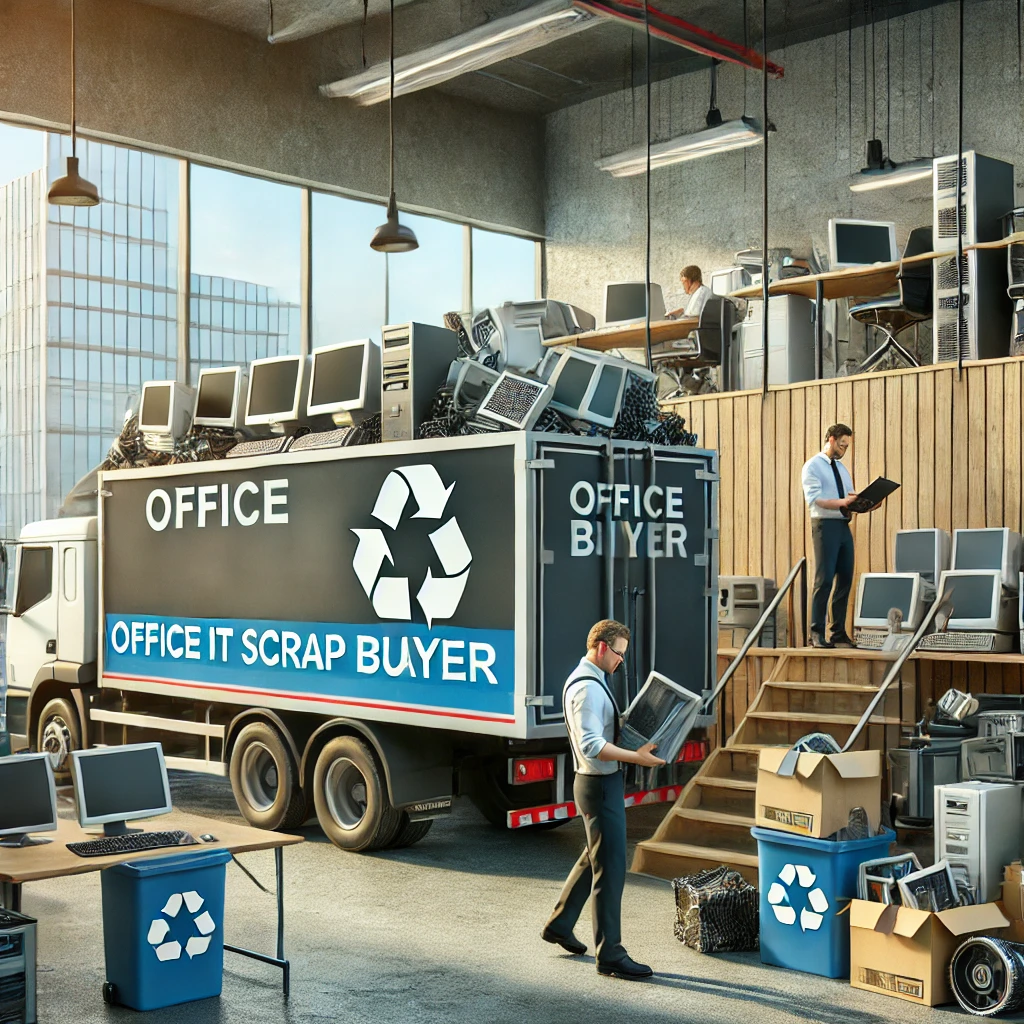
Office machinery buyer inspecting used office equipment
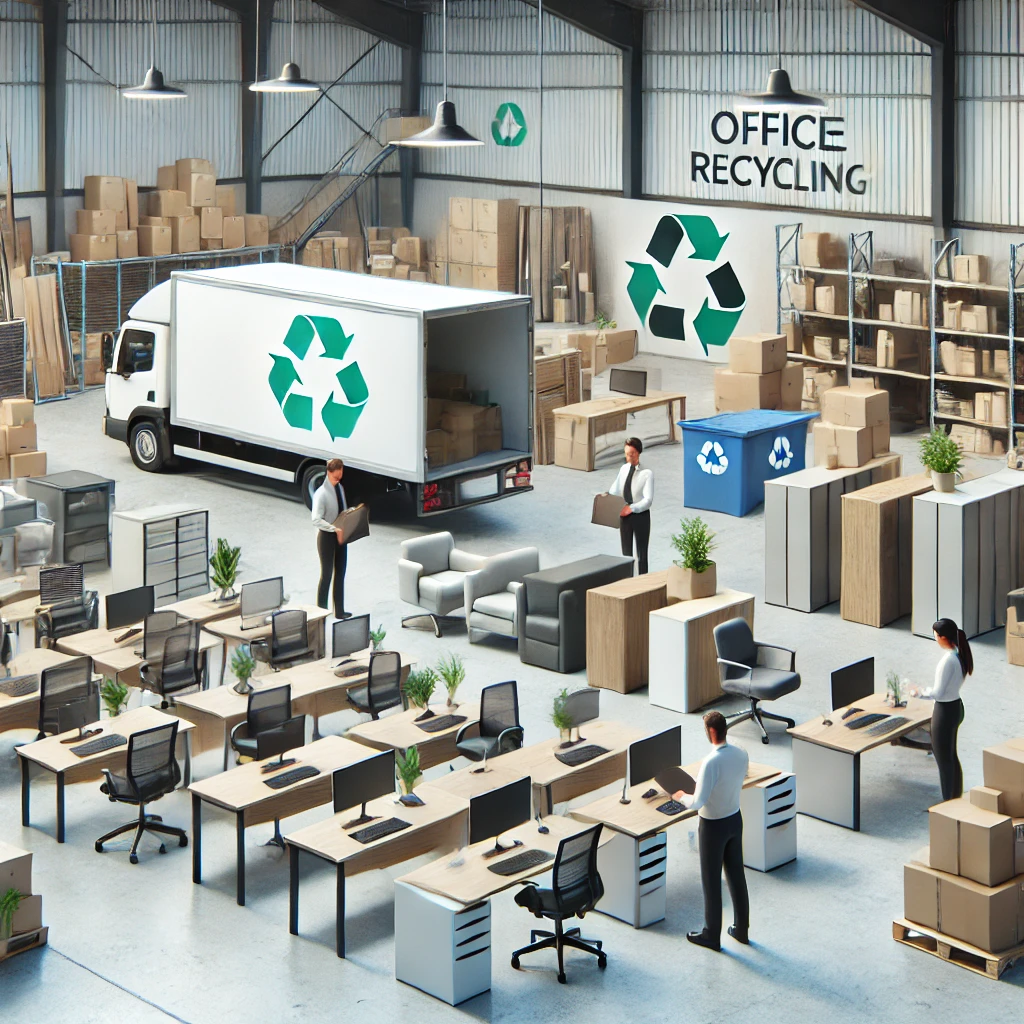
Professional office disposal buyers handling office furniture and equipment for efficient and eco-friendly recycling and removal services.
Office furniture disposal services

Our organization's goal is a Clean and Green India

Office scrap buyers contribute to a pollution-free India by ensuring proper recycling of scrap materials, minimizing environmental impact and promoting sustainable practices.

Office Scrap Buyers Services

Office scrap buyers specialize in dismantling offices, performing on-site cleaning, and purchasing all types of scrap, including furniture, electronics, and metal. They offer eco-friendly disposal solutions and ensure competitive prices for all scrap materials, making office clearance hassle-free and sustainable.

About our company

We specialize in office bare-shell work.Trust us for efficient, reliable, and cost-effective solutions for all your office scrap and asset needs.Office Scrap Buyers: Your trusted partner for efficient office dismantling and scrap disposal. We offer competitive pricing, expert services, and a hassle-free experience.

You Can Contact Us On 9321743217

Contact us today, and our team will visit your office to assess your scrap materials. We'll provide a detailed evaluation and offer the best quote possible. Our goal is to make the scrap disposal process smooth and cost-effective for you. Trust us to deliver reliable service and competitive pricing. Reach out now to get started!
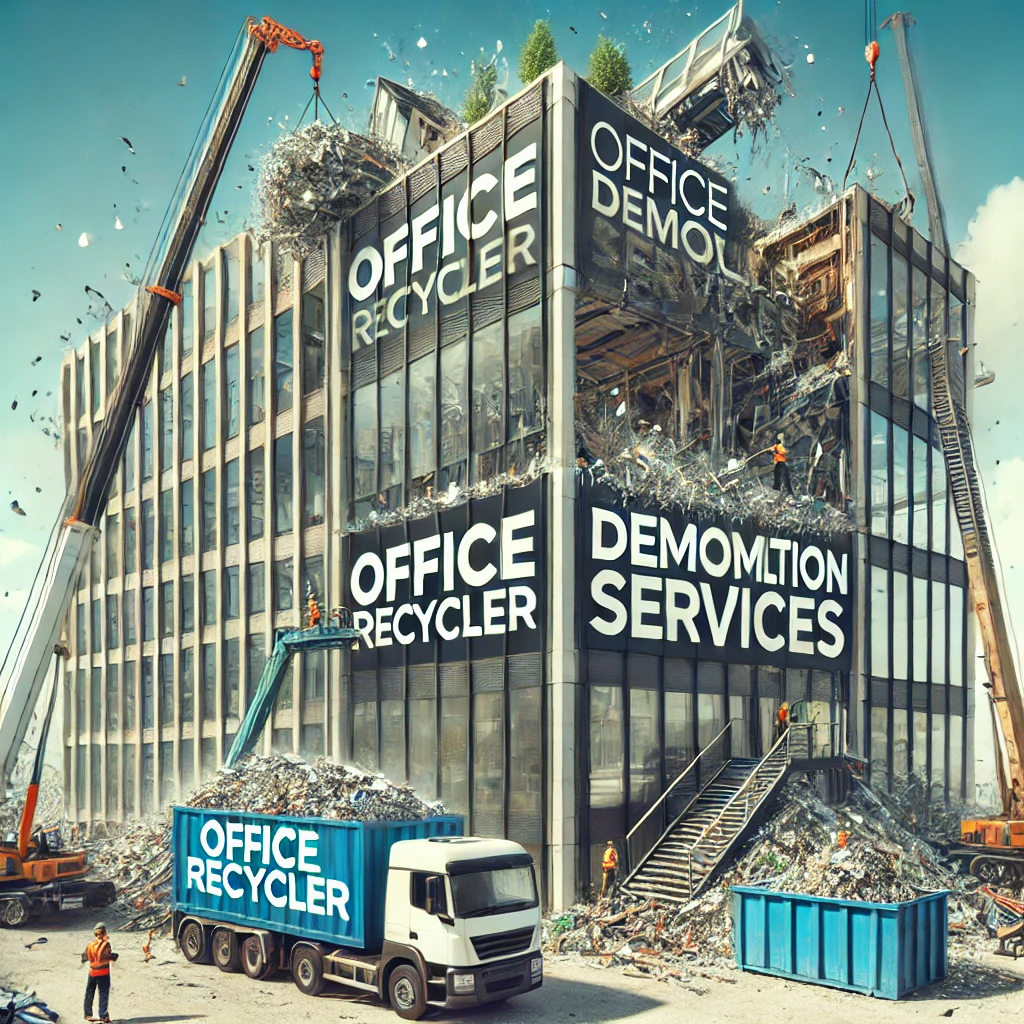
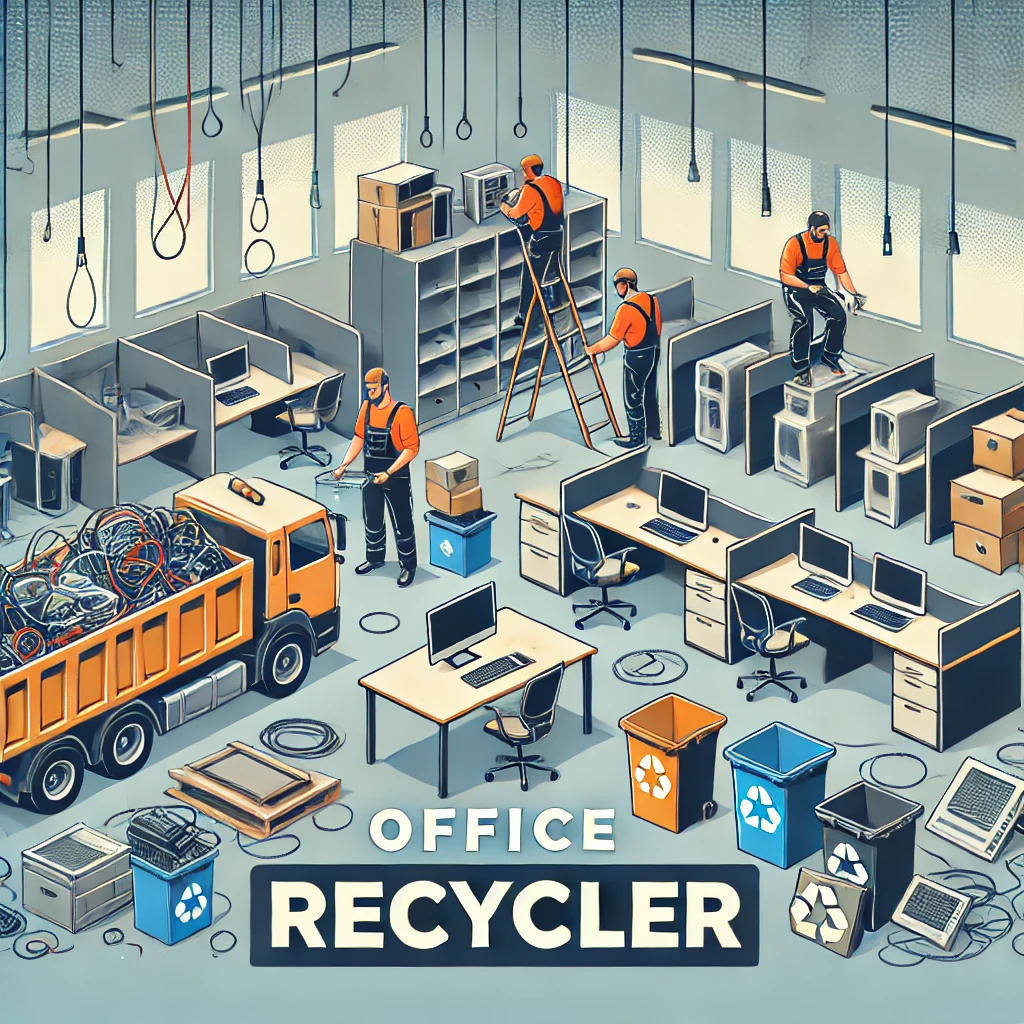
want to demolish your office call (office recycler) for office demolition service get best office dismantling services by (office recycler)
get best rate of your e-waste to sell them by (office recycler) Office furniture buyers inspecting used office desks and chairs
Professional office disposal buyers handling office furniture and equipment for efficient and eco-friendly recycling and removal services. Office machinery buyer inspecting used office equipment

Office Scrap Buyers Office Dismantling Services Office Demolition Services
Office scrap dealers Office recycling services Corporate scrap buyers
Office junk collectors Business scrap buyers Corporate waste recyclers
Office equipment buyers Commercial scrap buyers Office asset disposal services
Office electronics recyclers Office furniture recycling Office junk removers
Scrap removal services for offices Office metal scrap buyers Office waste recycling companies
Office dismantling buyers Office scrap disposal Commercial e-waste buyers
Office asset recycling Business junk recyclers Office materials recyclers
Office junk pick-up services Office waste disposal buyers Business waste recyclers
Office furniture buyers Corporate asset disposal services Office inventory recycling
Office junk buyers Corporate scrap removers Office disposal services


Join us for a Green India!

Join Us in Building a Cleaner, Greener India!


FAQ | Hazardous Waste Compliance

Hazardous Waste Handling Procedures – Safety & Compliance FAQs

Hazardous waste includes materials that are **toxic, flammable, corrosive, reactive, or environmentally harmful**. Under India’s Hazardous and Other Wastes (Management & Transboundary Movement) Rules, this covers **chemical residues, contaminated containers, used oils, solvents, sludge, batteries, and certain industrial process wastes**.

**Manufacturing units, chemical plants, pharmaceutical companies, automobile factories, refineries, power plants, hospitals, and laboratories** generating hazardous waste must follow prescribed handling procedures. Even bulk waste generators are legally responsible for **safe storage, authorized disposal, and documentation**.

Proper handling involves **waste identification, segregation at source, secure labeling, controlled storage, spill prevention measures, trained personnel, and movement through authorized transporters**. Each step is designed to **prevent exposure, environmental contamination, and regulatory violations**.

Yes. Hazardous waste must be handed over **only to CPCB/SPCB-authorized recyclers, treatment facilities, or disposal operators**. Using unauthorized handlers exposes businesses to **penalties, closure notices, and environmental liability**, even if the waste has already left the premises.

Businesses must maintain **waste manifests, authorization copies, transporter details, disposal certificates, annual returns, and storage logs**. These records are critical during **SPCB inspections, ISO audits, ESG disclosures, and internal compliance reviews**.

Improper handling can result in **workplace accidents, environmental contamination, legal action, heavy fines, and reputational damage**. Regulatory authorities hold the waste generator accountable, making structured procedures and authorized disposal partners essential for risk mitigation.