






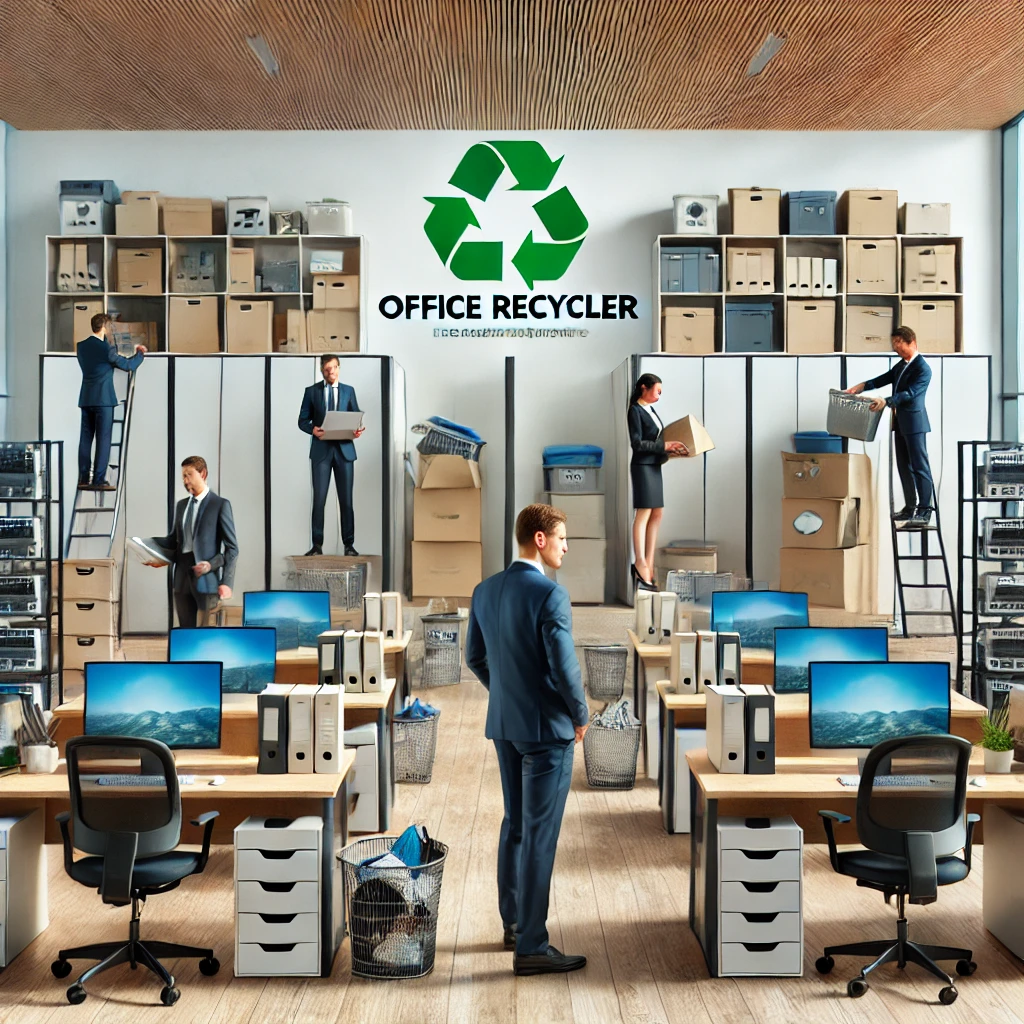
Office Industry Building and Mall Dismantling Services

Office Scrap Buyers

Pollution Control Norms for the Scrap Industry

Adhering to pollution control norms is critical for scrap dealers, industrial dismantlers, corporate offices, and warehouses across India. Our services ensure that all scrap collection, processing, and recycling activities comply with CPCB, SPCB, ISO, and local environmental regulations. Implementing these norms reduces environmental impact, ensures regulatory compliance, and enhances corporate ESG performance.

Understanding Pollution Control Norms in Scrap Management

Pollution control norms set guidelines for the handling, storage, transportation, and disposal of industrial, commercial, and e-waste scrap. Compliance helps prevent air, water, and soil contamination while ensuring responsible recycling practices.

  • Air Emission Control: Minimizing dust, fumes, and particulate emissions from scrap dismantling, metal cutting, and recycling operations.
  • Water Pollution Prevention: Ensuring scrap washings, chemical residues, and effluents are treated before disposal to prevent water contamination.
  • Hazardous Waste Management: Safe handling and disposal of batteries, chemicals, transformers, and other hazardous scrap in accordance with CPCB/SPCB norms.
  • Noise & Vibration Control: Maintaining permissible noise levels during dismantling, shredding, or crushing operations to protect employees and the surrounding environment.
  • Solid Waste Segregation: Proper classification of metals, plastics, paper, e-waste, and hazardous materials for safe recycling and disposal.

Scrap Materials Managed Under Pollution Control Norms

Our compliance framework covers all major scrap streams, ensuring environmentally responsible handling and recycling.

  • Metal Scrap: Steel, iron, copper, aluminum, and industrial metal scrap processed under controlled emission systems.
  • E-Waste: Computers, servers, laptops, networking equipment, and electronic peripherals handled according to E-Waste Rules.
  • Hazardous Materials: Transformers, batteries, chemical containers, and oils managed in full compliance with CPCB/SPCB guidelines.
  • Office & Commercial Scrap: Furniture, plastics, paper, partitions, and packaging materials recycled responsibly.

Step-by-Step Compliance with Pollution Control Norms

  • Step 1 – Site Assessment & Environmental Audit: Evaluate scrap processing areas for potential pollution risks and regulatory gaps.
  • Step 2 – Implementation of Pollution Control Measures: Install dust filters, effluent treatment plants, noise barriers, and safe storage systems.
  • Step 3 – Trained Handling & Segregation: Skilled personnel segregate scrap streams to prevent cross-contamination and hazardous exposure.
  • Step 4 – Authorized Disposal & Recycling: Transport scrap to CPCB/SPCB-approved recycling facilities following legal and environmental standards.
  • Step 5 – Documentation & Reporting: Maintain audit-ready logs, environmental compliance certificates, and ESG reports for corporate governance.

Advantages of Following Pollution Control Norms

Adhering to pollution control norms ensures operational efficiency, regulatory compliance, and sustainable practices for the scrap industry.

  • Regulatory Compliance: Full alignment with CPCB, SPCB, ISO, and local environmental regulations.
  • Environmental Sustainability: Reduces emissions, protects water and soil, and supports circular economy principles.
  • Health & Safety: Safeguards workers and surrounding communities from pollution and hazardous exposure.
  • Corporate ESG Performance: Demonstrates commitment to environmental and social responsibility.
  • Operational Efficiency: Streamlines scrap handling, reduces fines, and ensures organized recycling.

Ensure Pollution-Controlled Scrap Management

Phone: +91-9321743217

Website:

Service Coverage: Pan-India

Maintain compliance with pollution control norms while managing your industrial, commercial, or office scrap. Our experts provide environmentally responsible, CPCB/SPCB-approved, and audit-ready scrap management solutions across India.

Our Scrap Products


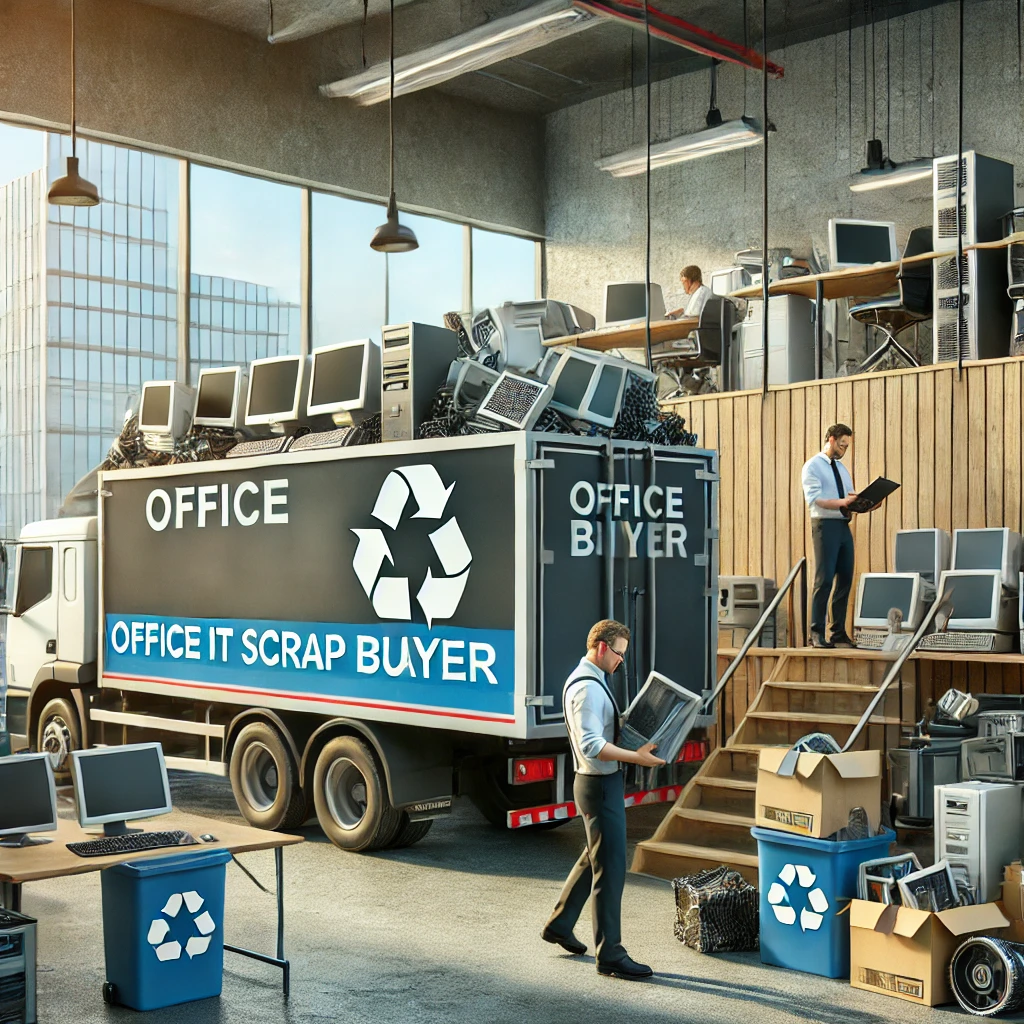
Office machinery buyer inspecting used office equipment
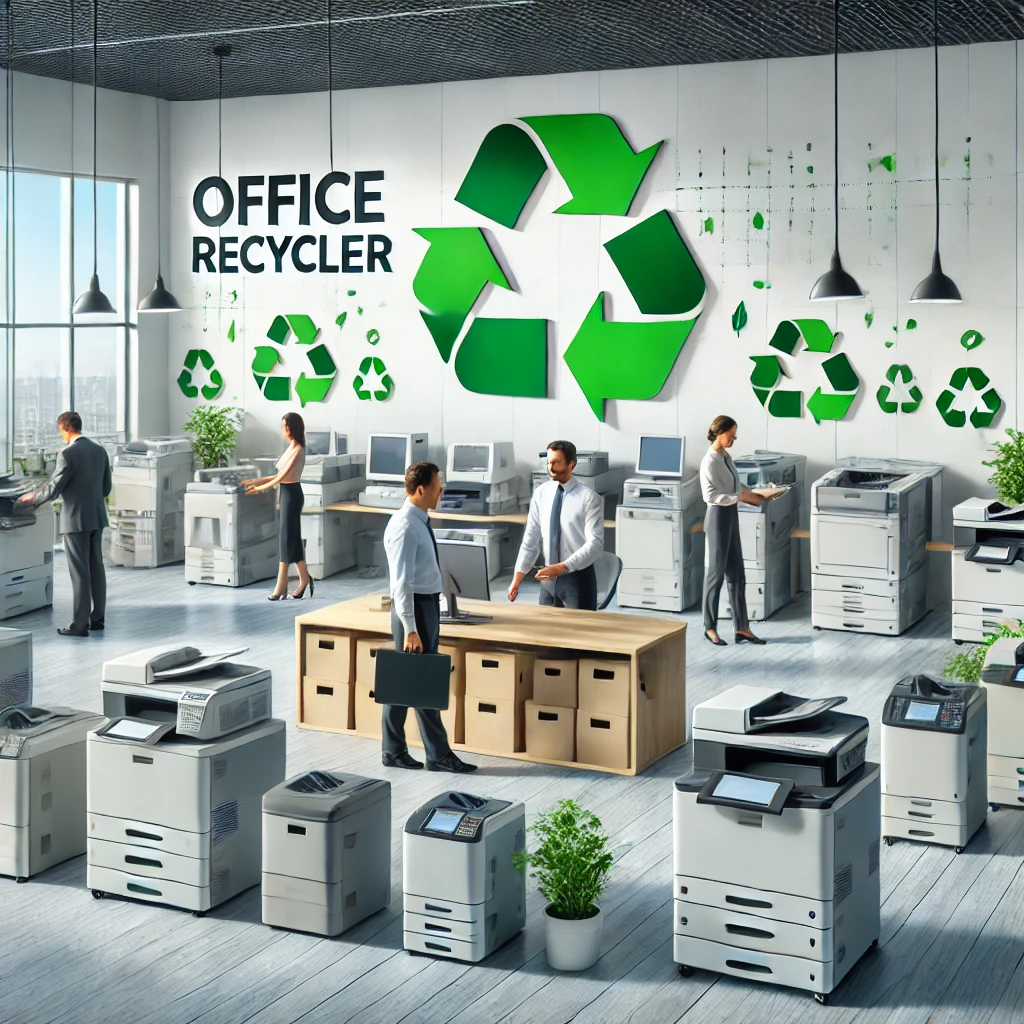
Professional office disposal buyers handling office furniture and equipment for efficient and eco-friendly recycling and removal services.
Office furniture disposal services

Our organization's goal is a Clean and Green India

Office scrap buyers contribute to a pollution-free India by ensuring proper recycling of scrap materials, minimizing environmental impact and promoting sustainable practices.

Office Scrap Buyers Services

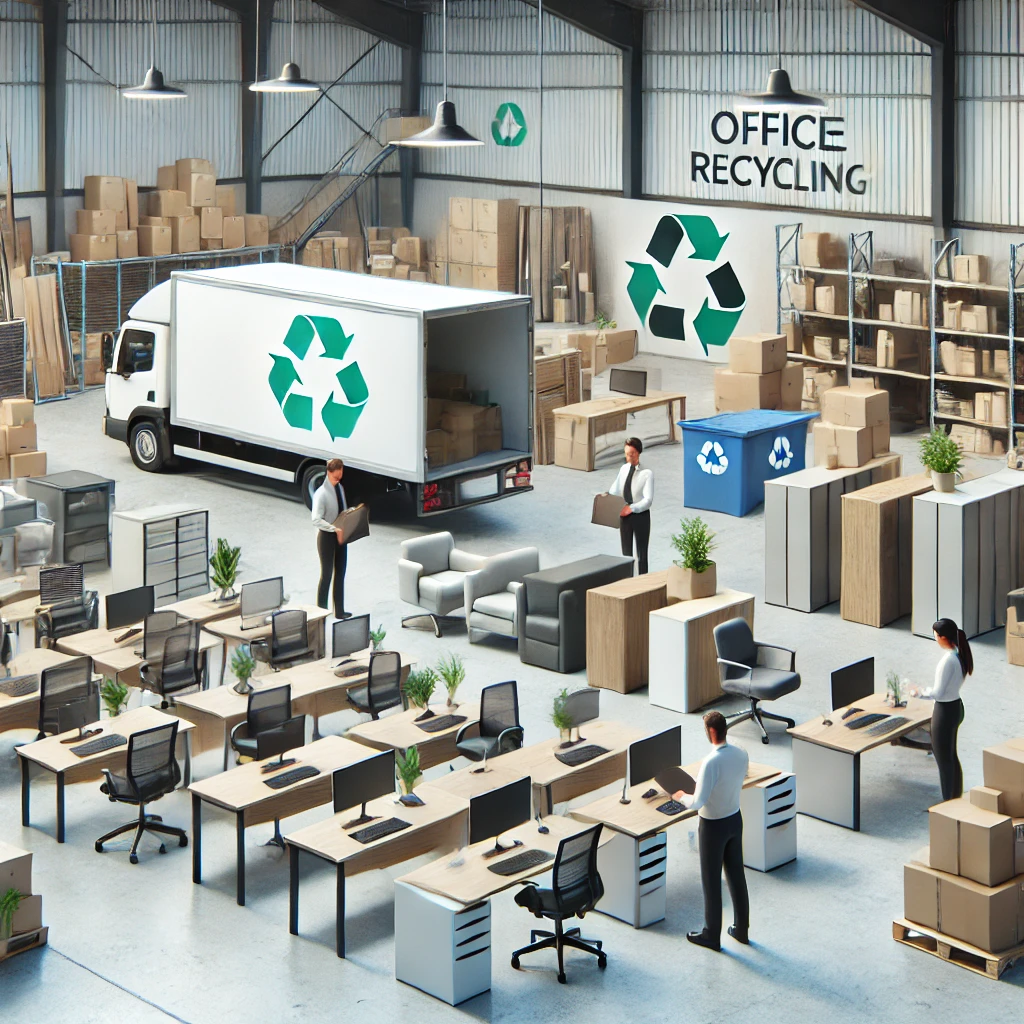
Office scrap buyers specialize in dismantling offices, performing on-site cleaning, and purchasing all types of scrap, including furniture, electronics, and metal. They offer eco-friendly disposal solutions and ensure competitive prices for all scrap materials, making office clearance hassle-free and sustainable.

About our company

We specialize in office bare-shell work.Trust us for efficient, reliable, and cost-effective solutions for all your office scrap and asset needs.Office Scrap Buyers: Your trusted partner for efficient office dismantling and scrap disposal. We offer competitive pricing, expert services, and a hassle-free experience.

You Can Contact Us On 9321743217

Contact us today, and our team will visit your office to assess your scrap materials. We'll provide a detailed evaluation and offer the best quote possible. Our goal is to make the scrap disposal process smooth and cost-effective for you. Trust us to deliver reliable service and competitive pricing. Reach out now to get started!
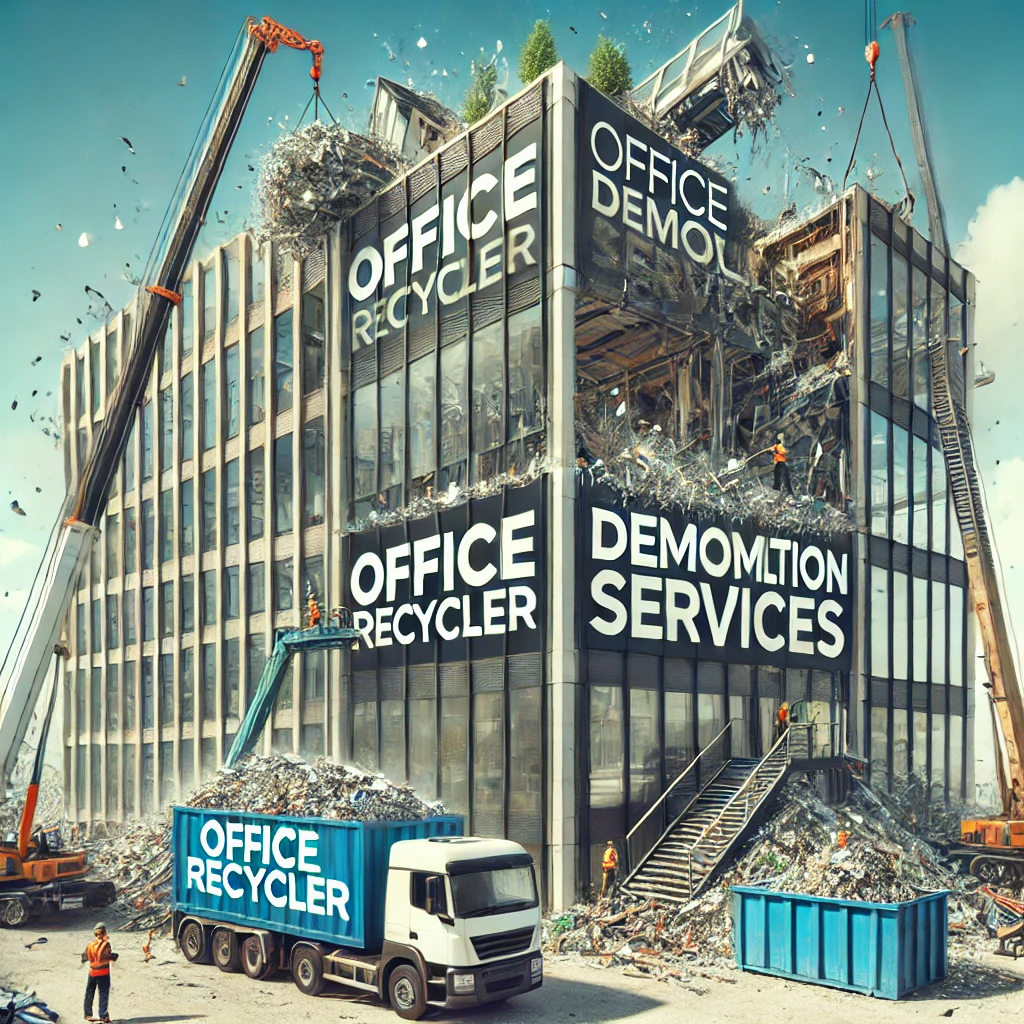
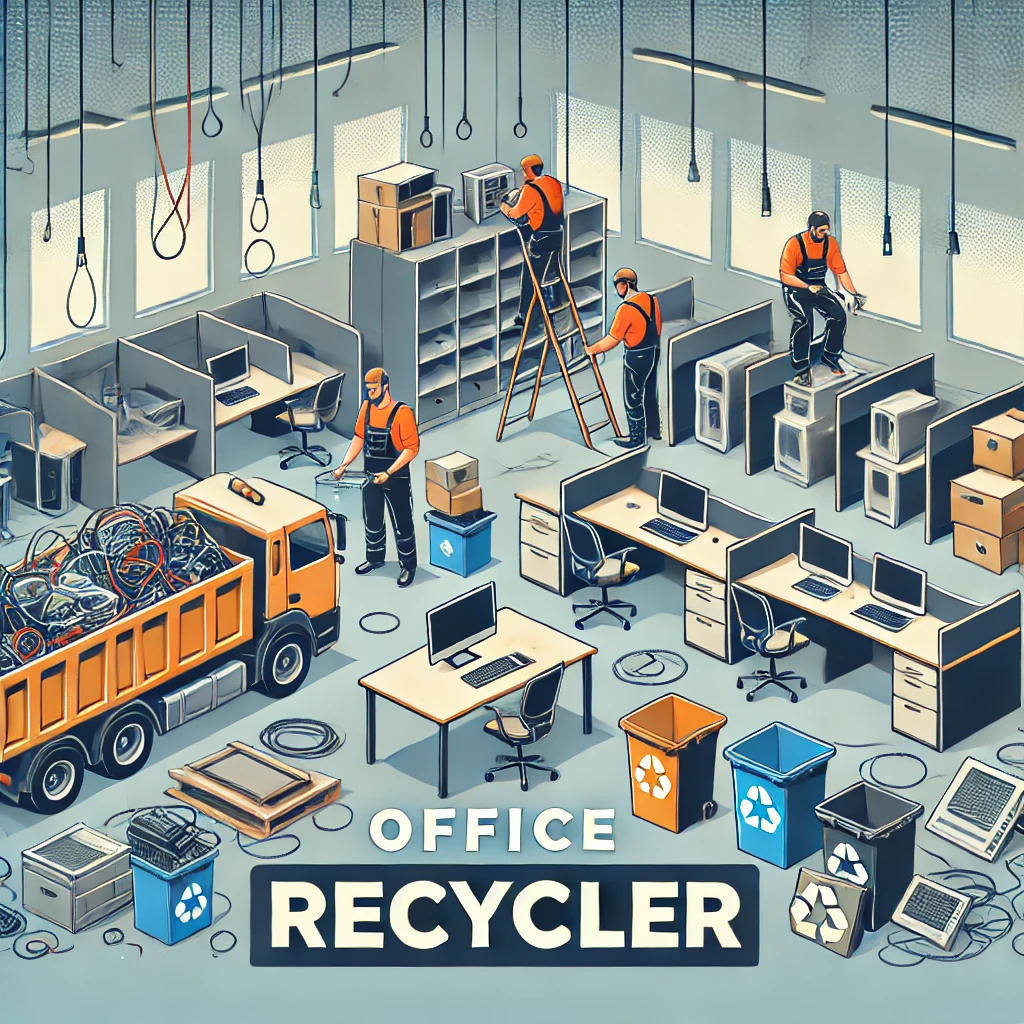
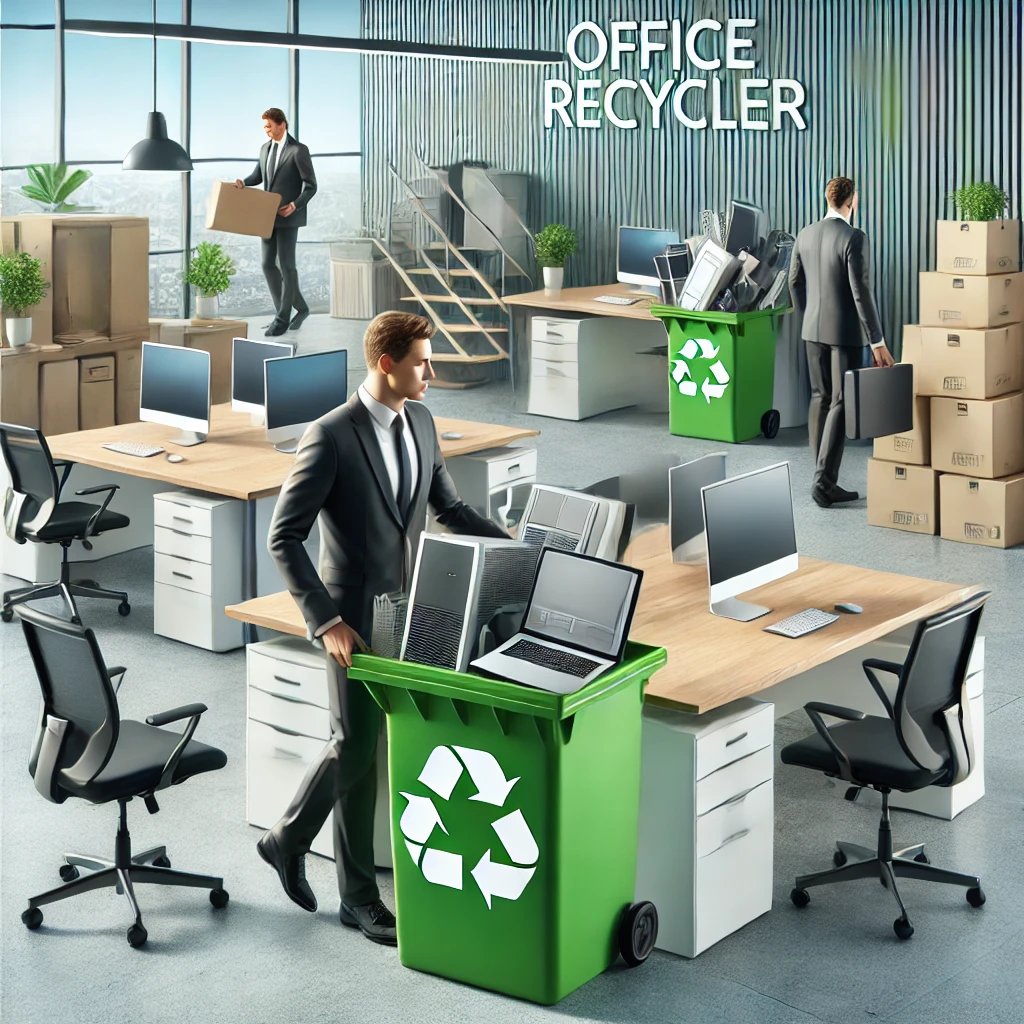
want to demolish your office call (office recycler) for office demolition service get best office dismantling services by (office recycler)
get best rate of your e-waste to sell them by (office recycler) Office furniture buyers inspecting used office desks and chairs
Professional office disposal buyers handling office furniture and equipment for efficient and eco-friendly recycling and removal services. Office machinery buyer inspecting used office equipment

Office Scrap Buyers Office Dismantling Services Office Demolition Services
Office scrap dealers Office recycling services Corporate scrap buyers
Office junk collectors Business scrap buyers Corporate waste recyclers
Office equipment buyers Commercial scrap buyers Office asset disposal services
Office electronics recyclers Office furniture recycling Office junk removers
Scrap removal services for offices Office metal scrap buyers Office waste recycling companies
Office dismantling buyers Office scrap disposal Commercial e-waste buyers
Office asset recycling Business junk recyclers Office materials recyclers
Office junk pick-up services Office waste disposal buyers Business waste recyclers
Office furniture buyers Corporate asset disposal services Office inventory recycling
Office junk buyers Corporate scrap removers Office disposal services


Join us for a Green India!

Join Us in Building a Cleaner, Greener India!


FAQ | Pollution Control & Scrap Industry

Pollution Control Norms for Scrap Industry – Compliance & Operational FAQs

Key norms include **adhering to CPCB and SPCB guidelines, maintaining air and water quality standards, safe handling of hazardous and e-waste, proper waste segregation, use of pollution control equipment, and authorized disposal or recycling of scrap materials**. Compliance ensures **environmental safety and regulatory adherence**.

Compliance **prevents environmental contamination, avoids legal penalties, ensures worker safety, and supports sustainable industrial practices**. It also helps companies demonstrate **ESG commitment and responsible corporate governance** to regulators and stakeholders.

The primary authorities are **Central Pollution Control Board (CPCB), State Pollution Control Boards (SPCBs), and local municipal environmental departments**. They monitor **air, water, and hazardous waste compliance, issue authorizations, and conduct audits to ensure scrap handling meets environmental standards**.

Effective implementation involves **installing air and water treatment systems, segregating hazardous and non-hazardous scrap, using proper storage and transport, training staff on safe handling, and partnering with authorized recyclers**. Regular **audits and monitoring ensure continuous compliance**.

Documentation includes **CPCB/SPCB authorizations, pollution control equipment maintenance logs, waste disposal certificates, environmental audit reports, and internal compliance checklists**. These records are essential for **audits, ESG reporting, and regulatory inspections**.

Adherence **reduces environmental impact, supports sustainable recycling, minimizes legal risks, and ensures transparent reporting**. Companies can leverage these practices to **demonstrate commitment to ESG standards, environmental responsibility, and corporate sustainability**.